
The bad drink
One man stays outside. In book ten of Homer’s Odyssey, Eurylochus watches his shipmates walk through Circe’s shining doors but doesn’t follow. They have heard a woman singing at her loom. The wolves and lions outside behave like dogs welcoming their master home. Everything about the place is hospitable in a way that ought to worry a visitor.
Circe mixes wine with cheese, meal, honey and a drug that makes the men forget home. Once they drink, she touches them with her wand and drives them into a sty. Homer specifies what changes: the bristles, the shape of the head, the sound that comes out of a mouth. Each man can still think. Circe throws them acorns.
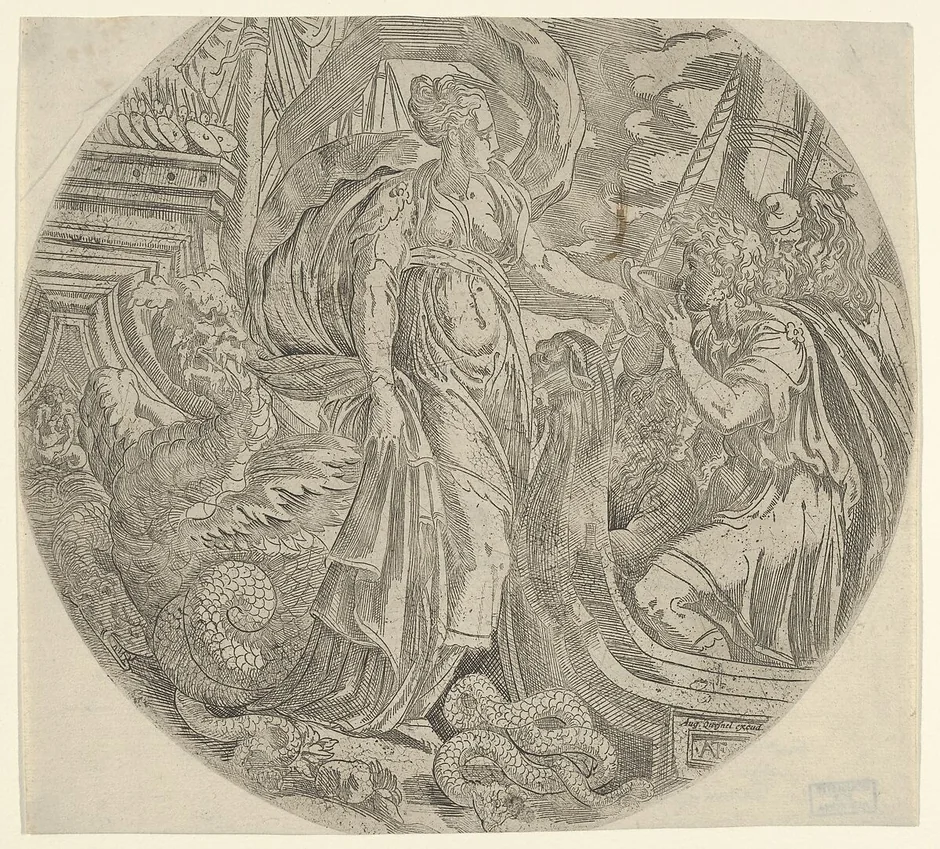
When Odysseus comes to the rescue, Circe offers him dinner. He won’t eat while his friends are still penned up. This time she takes her wand to the sty and applies another drug to each animal. The bristles fall away. As soon as they can use their hands again, the men take hold of his, weeping. It’s a part of the story that a picture of Circe with her cup can’t give away.
Six mouse-grey horses
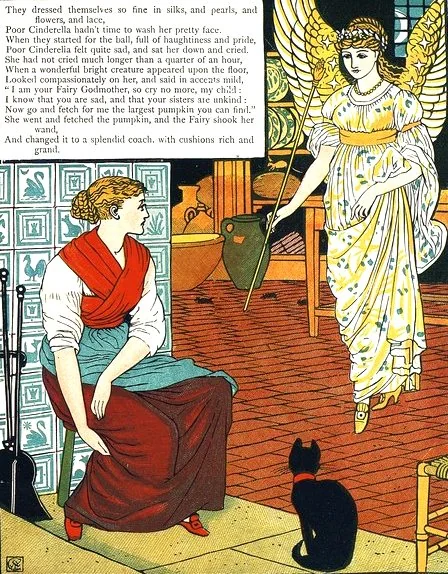
Charles Perrault has some fun with what survives a transformation. In the 1697 Paris collection containing Cinderella, the fairy godmother wants a coach. She sends her goddaughter to the garden for a pumpkin, hollows it out, and taps the empty rind. Next she has Cinderella lift the door of the mousetrap just far enough for the mice to come out one by one. Six little taps give the coach its team. All six horses are still mouse-grey.
There are three rats to choose from for the coachman. The godmother picks the one with the best whiskers. He keeps them as a fine moustache. The six lizards from behind the watering can go up on the coach as footmen. Children who know the midnight deadline can count the creatures on the outward journey and keep track of what each will turn back into.

A magician who means to stop
At Whitehall in 1611, a court audience saw a different kind of wand story. Prospero has been able to bring a ship into a tempest and hold the survivors on his island. But when Ariel reports that old Gonzalo is crying, with tears running down his beard, the spirit pities him. Prospero, who is human, finds he can hardly do less.
“Go, release them, Ariel.”
Prospero, The Tempest, act V, scene I
His promise to break his staff comes after that order. He will bury it in the earth and sink his book beyond the reach of any sounding line. A fairy godmother needs her wand until the last person has been dressed for the ball. Shakespeare’s magician has to decide what he’ll do with his after he has forgiven his enemies.